Tobacco in Southern Africa
An industry guide to Zimbabwe, Malawi and Zambia, covering origins, leaf types, curing and the regional regulatory bodies.
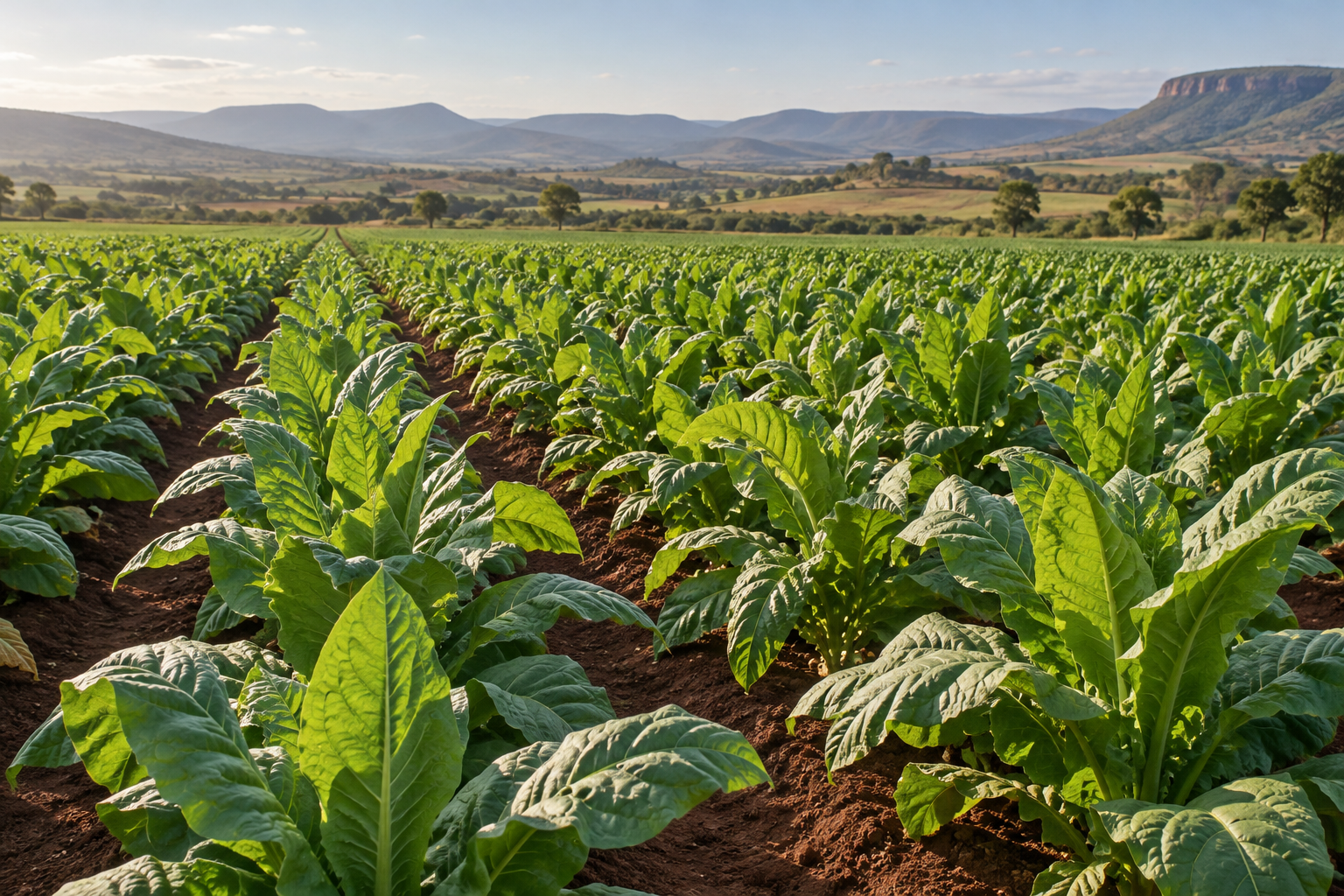
Zimbabwe’s tobacco sector
Tobacco is an established agricultural industry in Zimbabwe, with growing, curing, grading, marketing and processing forming distinct stages of the value chain. The Tobacco Industry & Marketing Board (TIMB) is the national regulatory and advisory body for production, marketing and export.
Zimbabwe is particularly associated with flue-cured tobacco. FAO’s historical country profile describes production in the better-rainfall areas north and east of Harare, along with burley production in northeastern areas and the Eastern Highlands. This is useful agricultural background, rather than a current production map or crop forecast.
TIMB explains the development of auction-floor marketing and the later addition of contract floors. These are different organisational routes through the market, not interchangeable descriptions of every bale. Use TIMB’s current publications for season-specific information.
The wider regional picture
Malawi
Malawi is another important regional tobacco origin. The Tobacco Commission’s licensing data identifies burley as a major category. The Commission regulates the country’s tobacco production and marketing and provides current industry information.
Malawi Tobacco Commission ↗Zambia
The Tobacco Board of Zambia is the national statutory industry body. Zambia’s tobacco framework recognises several classes, including flue-cured Virginia and burley. Country-level rules and the identity of the responsible authority should be understood separately from Zimbabwe’s arrangements.
Tobacco Board of Zambia ↗Understanding tobacco leaf
| Category | General distinction |
|---|---|
| Flue-cured / Virginia | Cured with controlled heat; curing affects colour and the chemical profile of the leaf. |
| Air-cured / Burley | Cured through managed air circulation over a longer period; a distinct tobacco class from flue-cured leaf. |
| Oriental | A separate tobacco type often associated with sun curing. It should not be confused with Virginia or burley. |
| Green leaf and processed leaf | Leaf at different stages of handling is not directly comparable. Processing may include conditioning, threshing and removal of stems. |
Why origin alone does not describe quality
Country of origin is only one part of a leaf description. Variety, crop year, growing conditions, position on the plant, curing and grading all influence the material. Moisture and storage conditions also affect how leaf is preserved and assessed.
Grades and analytical descriptions should be interpreted in the relevant market context. A familiar grade name does not necessarily establish identical characteristics across countries, crop years or processing stages.
Research, regulation and current information
For Zimbabwe, begin with TIMB’s official information. For Malawi and Zambia, consult their respective national boards. FAO provides agricultural background, while current seasonal data should come from the relevant regulator.
Sources & further reading
Independent reference links, not endorsements or claims of partnership. Availability, market conditions and requirements can change.